thutson3876
Shine Effect

A simple shine effect that subtly draws attention to an object of importance. Can be modified for different timings and variable shine intensity.
Plasma

This shader manipulates the vertices of the mesh to achieve a pulsating effect. Additionally, the mix of twirl distortion and a glow within the object give it the fluid-like appearance.
Globule
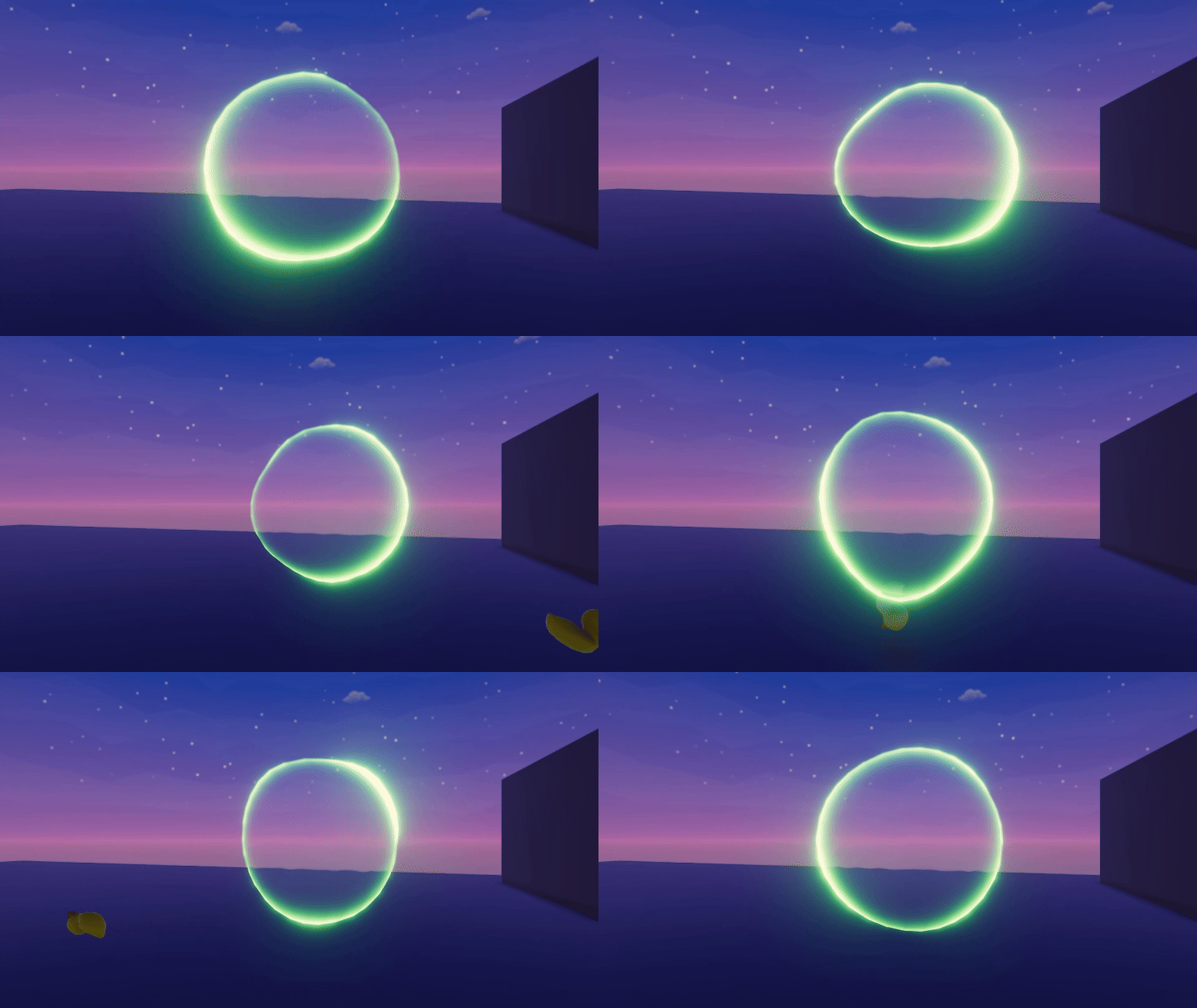
Another vertex shader that uses simple noise to distort the background, as well as the vertices. The Fresnel effect, seen on the outer edges, applies a varying glow.
Cracks
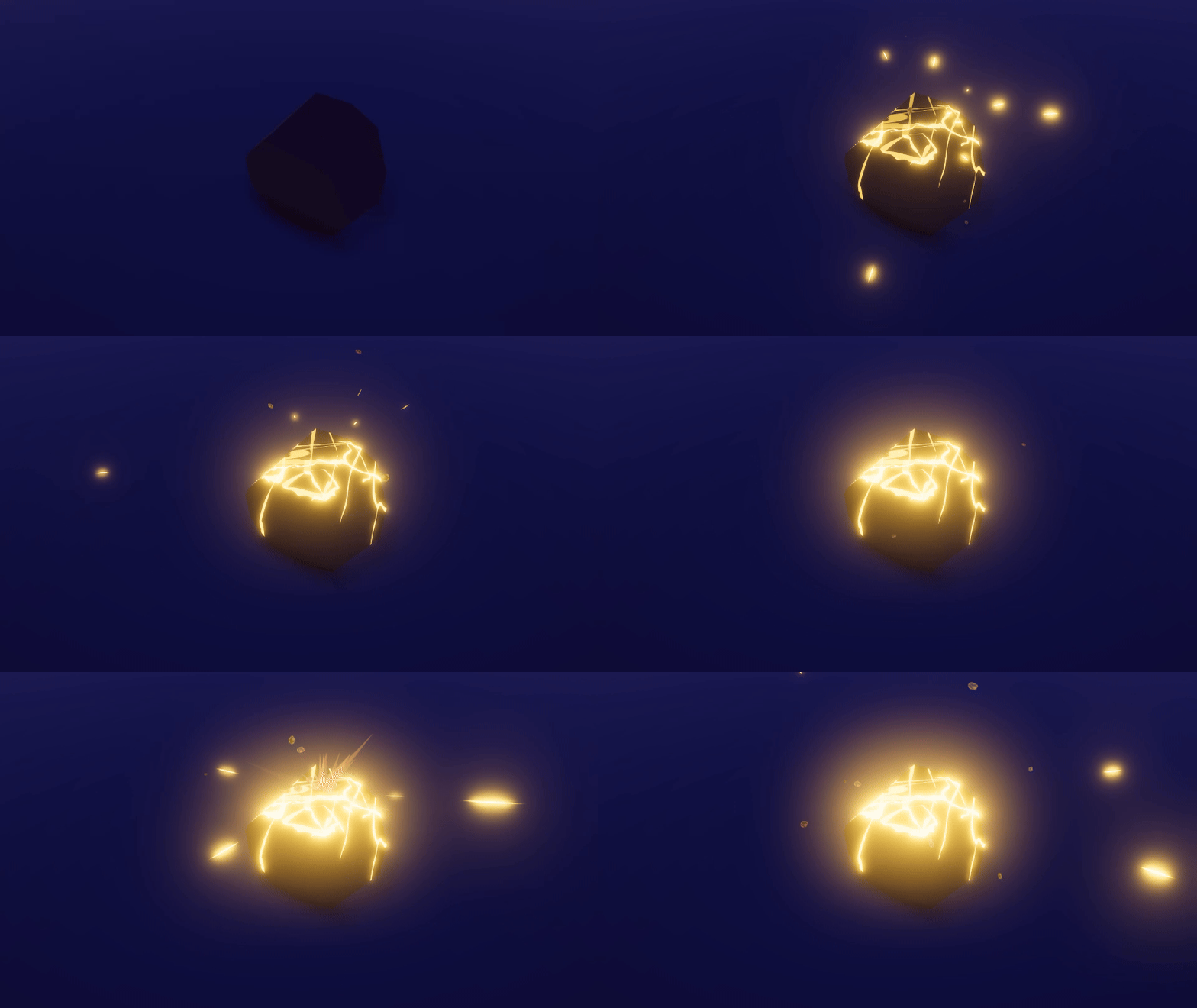
An adjustable intensity of glow tied to a texture, that can be easily modified at runtime. Utilizing tri-planar scaling that accommodates for the scaling of the object. The cracking texture isn’t distorted regardless of any stretching done.
Scan Effect

An intersection focused shader that increases in glow while intersecting an object, and tapering off to a set distance. When attached to a particle system and scaled over time, it gives the illusion of ‘scanning’ nearby terrain.
See-through Effect
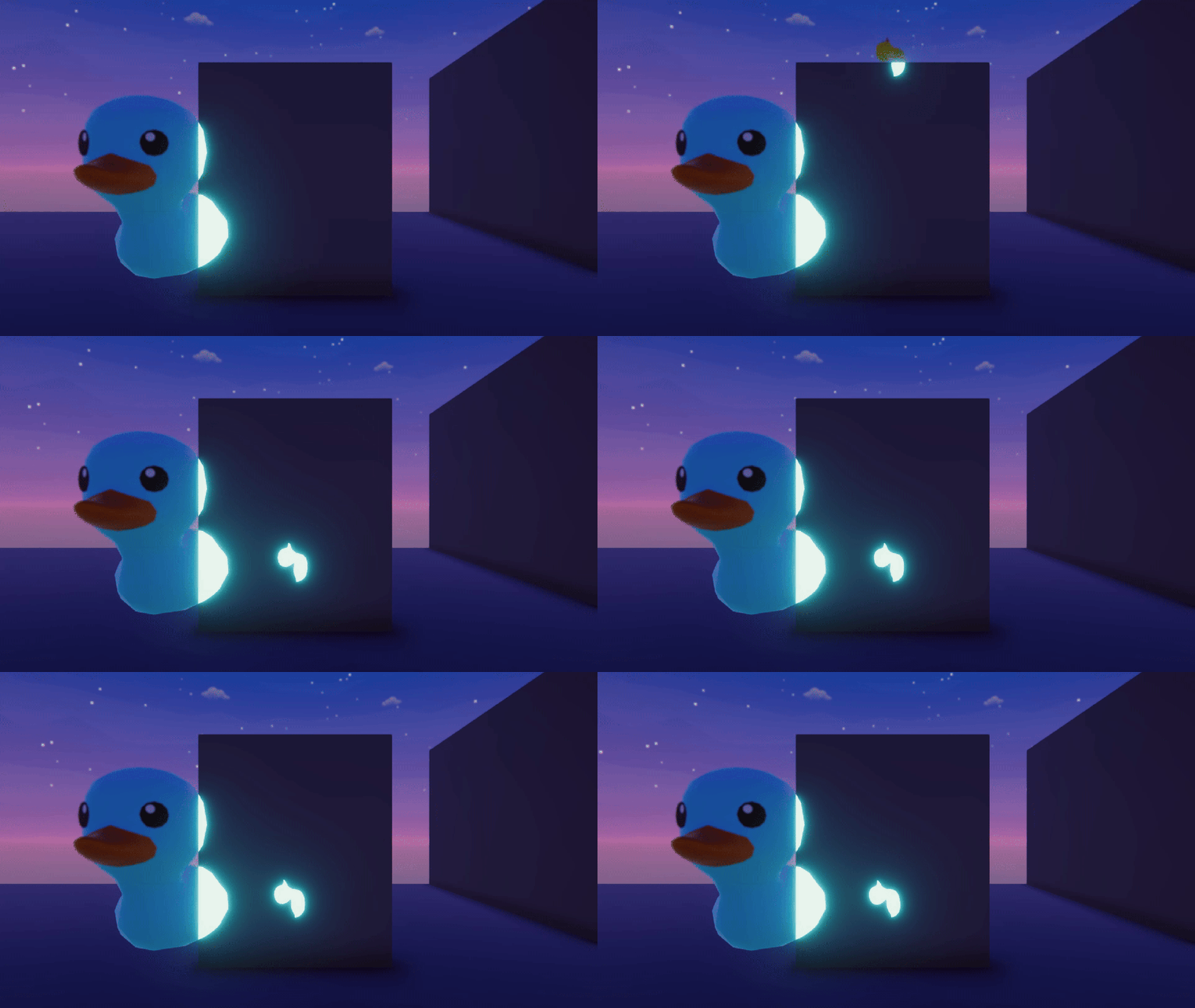
This effect is achieved by rendering objects on a particular layer above anything else. Additionally, this changes the material of the object to make it contrast with the surrounding environment.
Blackhole
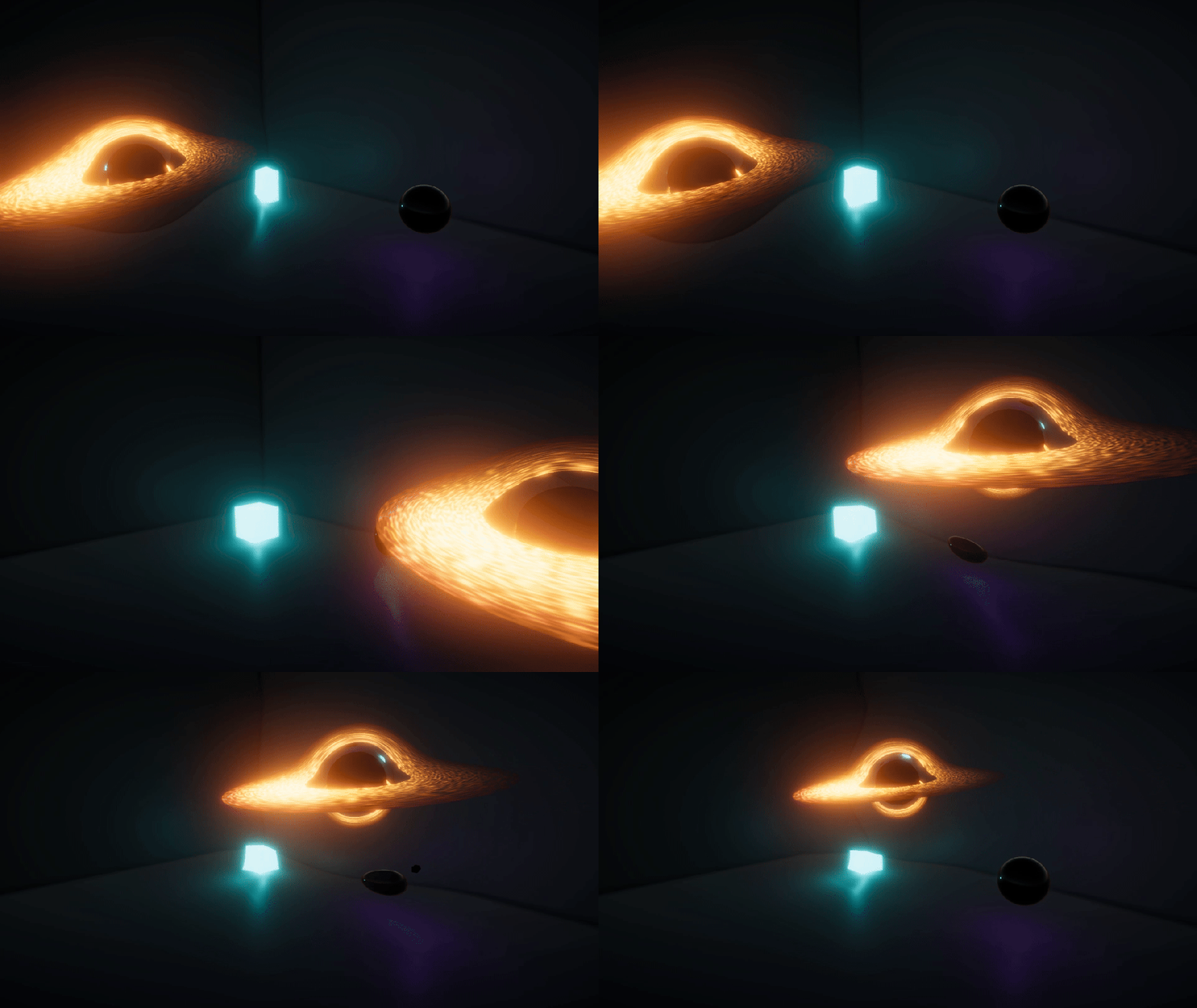
Utilizing a mix of glow and distortion effects, this shader warps any opaque objects behind it, and features a rotating texture of simple noise to simulate an accretion disk.
Based on Kevin Van Hoorn’s Blackhole tutorial.
 thutson3876