thutson3876

Dev blog coming soon!
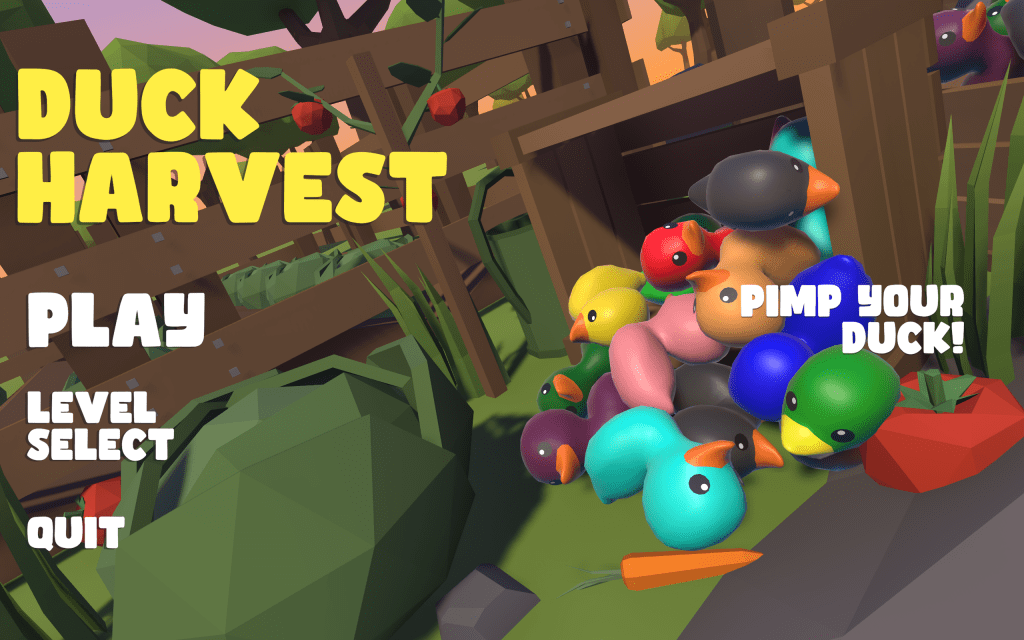
Duck Harvest
A cozy drag-and-drop game where ducks are the crop, and pesky vegetables keep getting in the way of the player’s harvest. Players may unlock appearances for their ducks and customize them, giving their quacking crop a unique aesthetic.
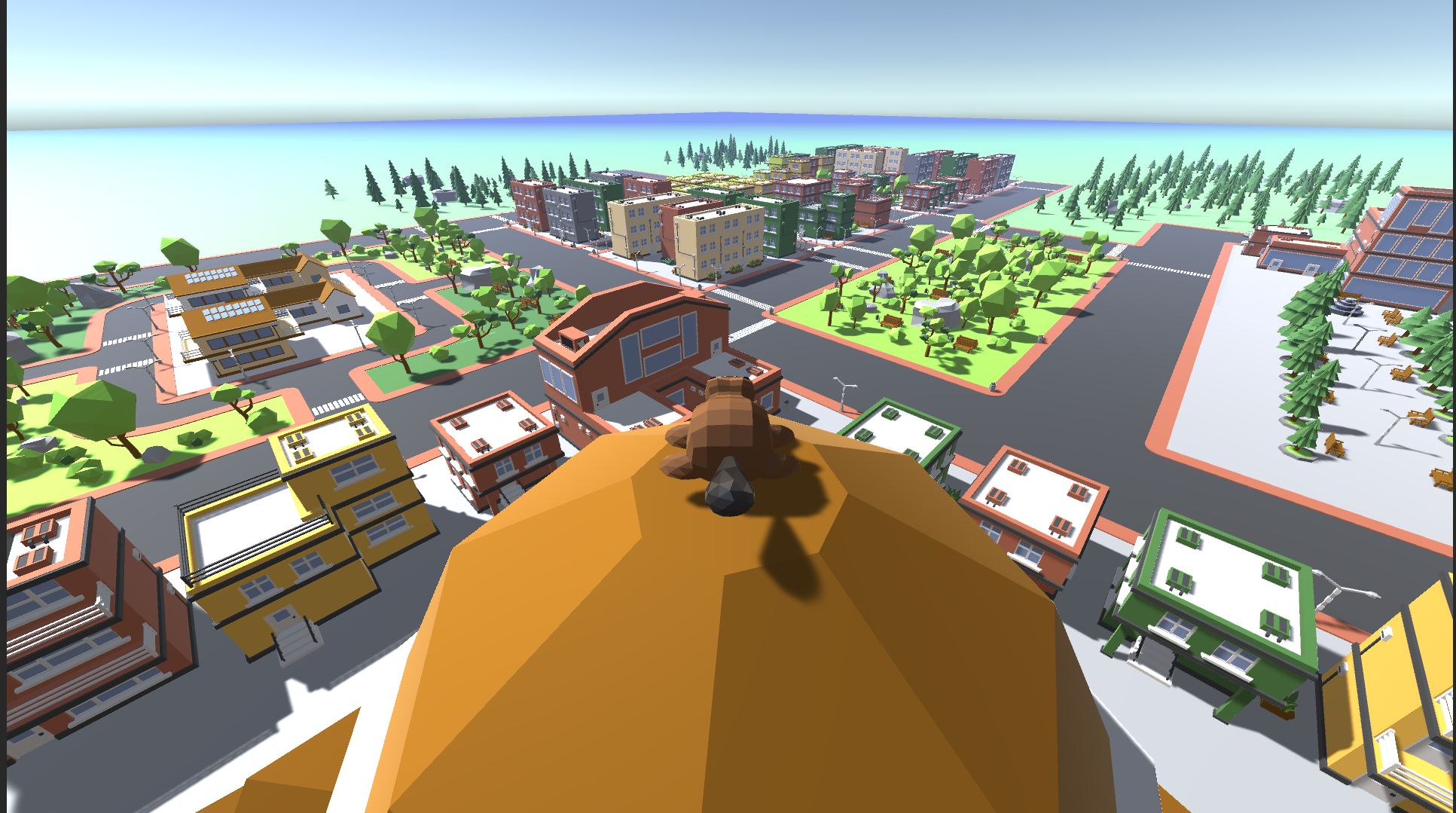
That Beaver Game
Networked multiplayer destruction sim that focuses on a fast-paced, parkouring beavers. Players can sprint, leap, wall-run, and slam their way through the city while wreaking havoc upon everything in their path.

Plasma Fusion
Multiplayer arena battler in which two Plasmos (players) must choose abilities, and use them to defeat their opponent. After each round, the loser gains a new ability, while the winner gains nothing but pride. The first to win 5 times claims victory.
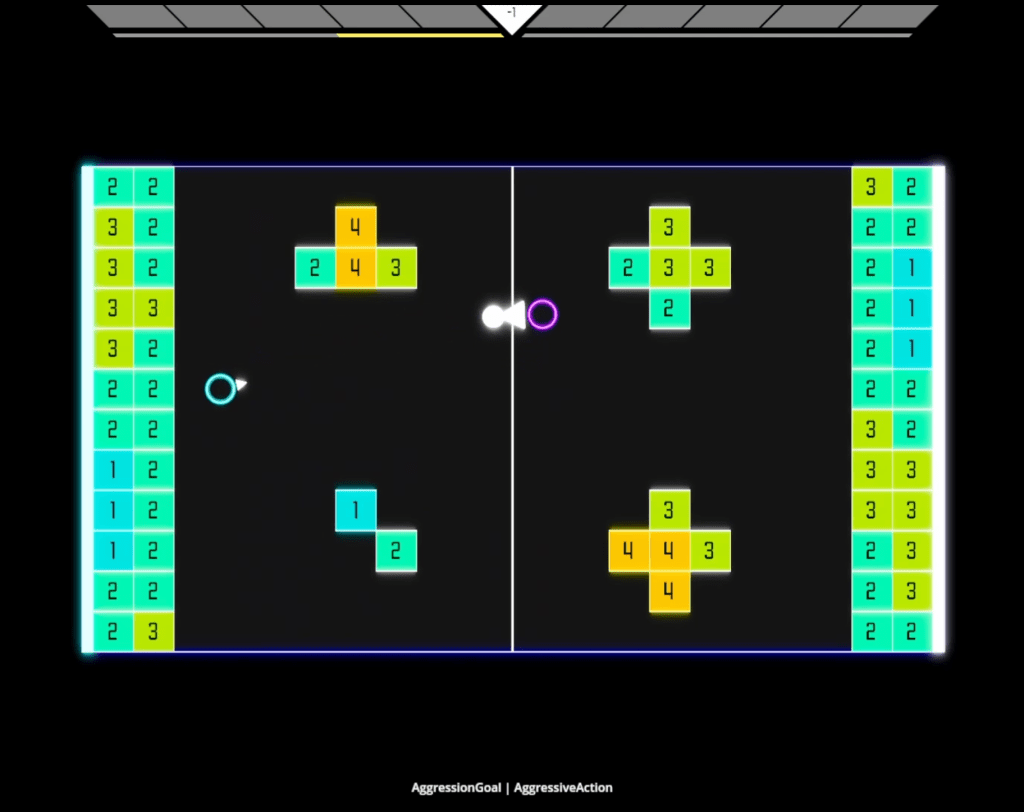
PolyPuck
A hockey-inspired arcade game where a player attempts to score against an advanced bot. The goal of the project was to create a bot that 99% of player’s couldn’t beat (with lower difficulty versions as well). The AI uses Goal Oriented Action Planning to dynamically react to the game state on the fly.
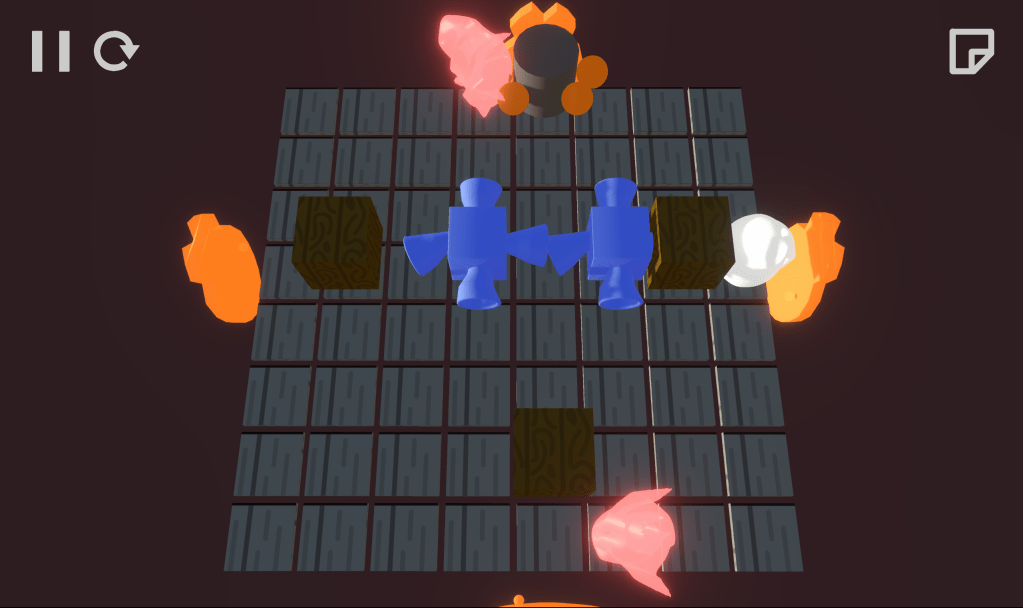
Cacophony
Musical puzzle game that takes place within a music box. The player explores the box, finding dissonant spirits that it must harmonize with in order to complete each room. A variety of strange contraptions permeate the music box, and must be used to their full potential to finally tune the box and calm the spirits.
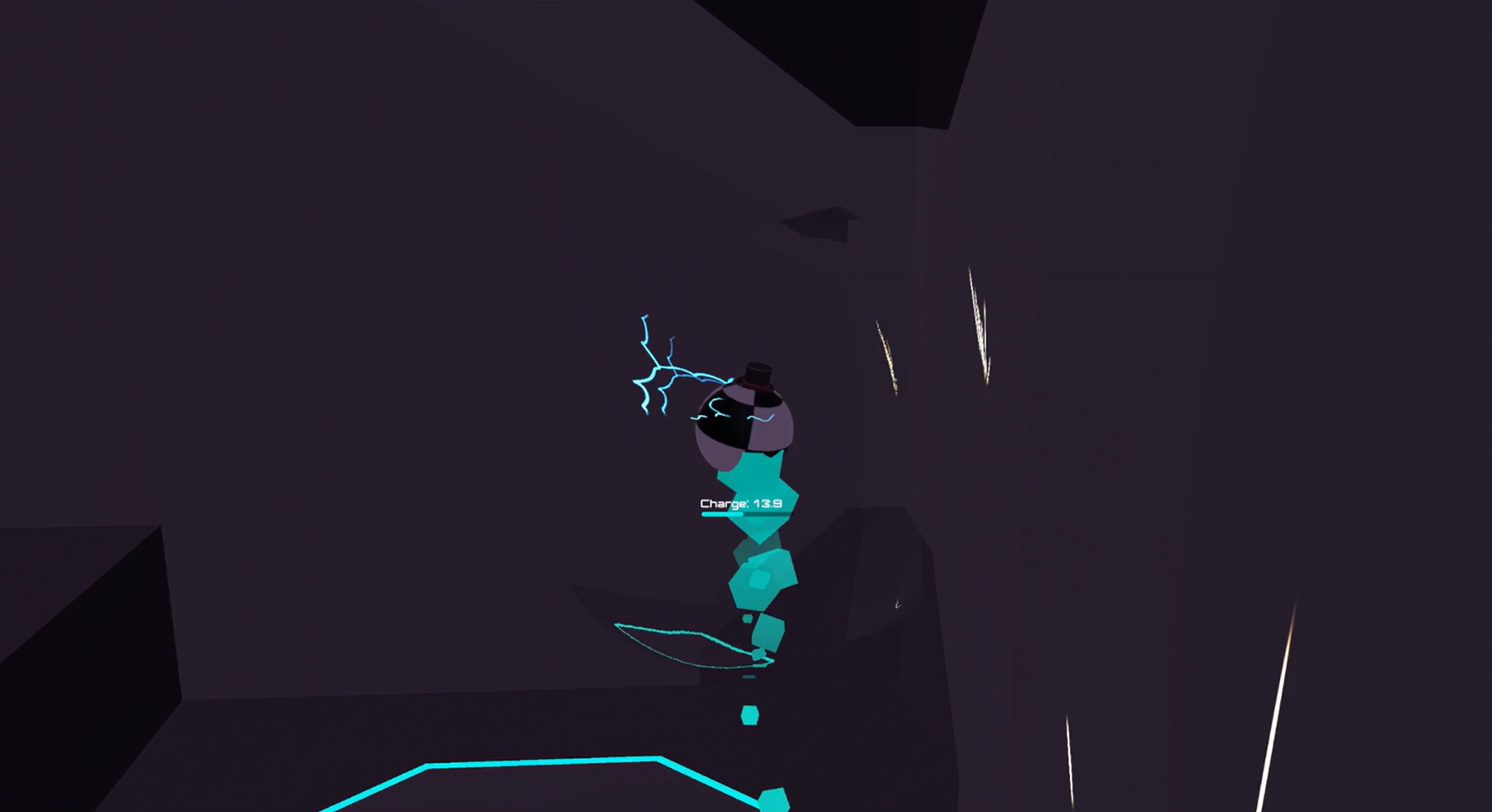
B1 – Electron
Puzzle platformer where the player assumes the role of an electron, transporting power from outlets to conduits. While charged, the little electron can bounce around with haste to make it to the next conduit before running out of power.

DUSTBRAWL
Tower defense where the player uses their trusty rifle and turret arsenal to deal with hordes of dust bunnies on Mars. Whether it be through tesla coils or trucks, the heartiest of players will brave the wrath of the rabbits.

Shader Programming
A large part of games involves visual feedback. While this can be achieved many ways, shaders are a way to use complex math and programming to achieve incredible visuals.
 thutson3876